
What Is Food Safety Compliance in Australia and Why Is It Important?
Food safety compliance in Australia refers to the mandatory adherence to standards and regulations designed to protect consumers from foodborne illnesses and ensure safe food handling practices across all food businesses. These requirements are outlined in the Safe Food Australia guide, which serves as the national framework for food safety management.
Why Compliance Matters
Compliance matters for two critical reasons: public health protection and business sustainability. When food businesses implement food safety compliance management software and follow Safe Food Australia standards, they significantly reduce the risk of contamination, foodborne disease outbreaks, and associated health complications that affect thousands of Australians annually. By using food safety compliance management software, businesses can monitor safety processes more effectively, ensure consistent record-keeping, and respond quickly to potential hazards. A single food safety incident can lead to serious illness, hospitalisations, or worse, making proactive compliance essential for every food operator.
The business case for compliance is equally compelling:
- Reputation protection: Food safety breaches quickly become public knowledge, damaging customer trust that takes years to rebuild
- Legal consequences: Non-compliance can result in hefty fines, prosecution, or business closure
- Financial stability: Preventing contamination incidents avoids costly product recalls, legal fees, and compensation claims
- Competitive advantage: Demonstrated food safety excellence attracts quality-conscious customers and business partners
The Importance of Maintaining Standards
Whether managing food safety compliance through traditional manual processes or modern software solutions, Australian food businesses must maintain rigorous standards. The choice between food safety compliance software vs manual processes directly impacts how effectively businesses meet these obligations whilst maintaining operational efficiency.

What Are the Key Requirements of Food Safety Compliance in Australia?
Australian food businesses must comply with three mandatory food safety standards outlined in the Safe Food Australia guide. These regulatory requirements form the backbone of safe food handling across the nation.
1. Standard 3.2.2: Food Safety Practices and General Requirements
This standard establishes fundamental rules for receiving, storing, processing, displaying, packaging, transporting, disposing, and recalling food. It covers essential practices like:
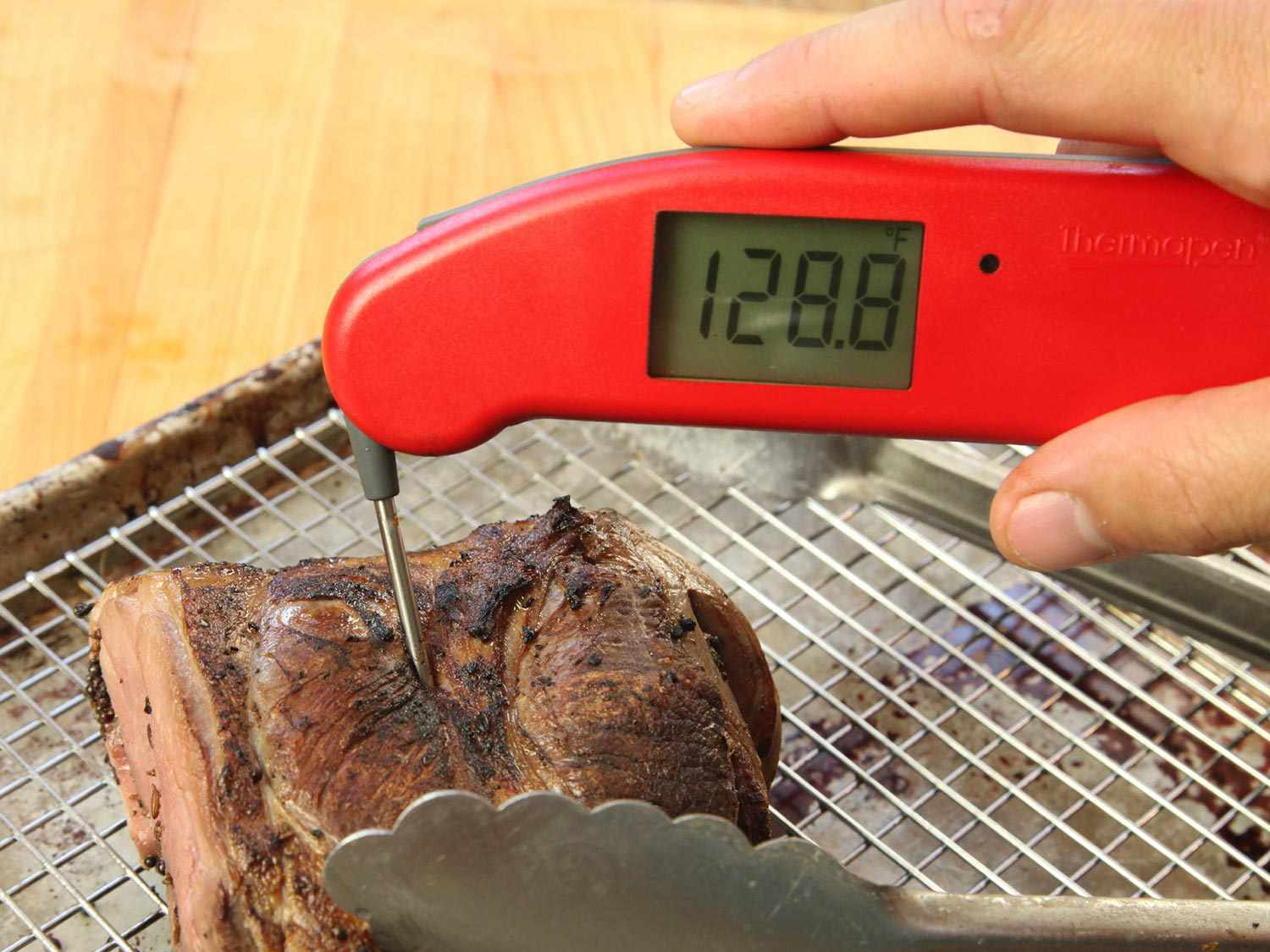
- temperature control
- preventing cross-contamination
- maintaining proper hygiene protocols during food preparation
2. Standard 3.2.3: Food Safety Management Tools
Certain food businesses are required to implement a food safety programme based on HACCP principles. This involves:
- identifying potential hazards
- establishing critical control points
- setting monitoring procedures
- maintaining detailed records of food safety activities
3. Standard 3.2.4: Food Premises and Equipment
This standard sets specifications for the design, construction, and fitout of food premises. It includes requirements for:
- adequate lighting
- ventilation
- waste disposal facilities
- equipment that can be easily cleaned and sanitised
Government agencies including Food Standards Australia New Zealand (FSANZ) and state-based health departments enforce these standards through regular inspections and audits. Non-compliance can result in penalties, closure orders, or prosecution.
These requirements create a structured framework that guides food businesses in developing effective food safety systems tailored to their specific operations and risk profiles.
How Do Manual Processes Manage Food Safety Compliance?
Do manual methods still work for food safety compliance? Yes, but they demand rigorous discipline and consistent execution across daily operations. Manual food safety management relies on physical documentation where staff record critical information by hand in logbooks, clipboards, and paper forms scattered throughout the kitchen and storage areas.
Traditional compliance methods typically include:
- Temperature logs recorded manually at scheduled intervals throughout the day
- Cleaning schedules tracked on wall-mounted charts with staff initials and timestamps
- Supplier tracking through physical invoices and delivery dockets filed in folders
- Corrective action reports documented on incident forms
- Staff training records maintained in personnel files
The primary strength of paperwork food safety systems lies in their simplicity—no technology barriers exist for team members unfamiliar with digital tools. These methods require minimal upfront investment beyond printing costs and storage supplies.
The limitations prove more significant. Human error becomes inevitable when staff rush during peak service periods, forget to record temperatures, or misplace documentation. Lost records create compliance gaps that auditors cannot overlook. Illegible handwriting, incomplete entries, and missing signatures frequently appear during inspections.
Audit readiness suffers dramatically under manual systems. Retrieving specific records from months of paperwork consumes valuable time during inspections. Cross-referencing data between different logbooks to identify patterns or trace contamination sources becomes a labour-intensive process that delays critical decision-making.
What Advantages Does Food Safety Compliance Software Offer to Australian Businesses?
Food safety compliance software delivers immediate operational improvements through automated monitoring and real-time alerts. Wireless temperature sensors track refrigeration units, hot holding equipment, and storage areas continuously, sending instant notifications when readings fall outside safe parameters—eliminating the need for manual hourly checks.
Digital compliance tools transform how teams manage daily food safety tasks:
- Customizable HACCP-aligned checklists guide staff through proper procedures, ensuring consistency across all shifts and locations
- Cloud-based record keeping stores all documentation securely, making historical data instantly accessible during health inspections
- Automated reminders prompt employees to complete time-sensitive tasks like equipment calibration and cleaning schedules
- Photo documentation capabilities allow teams to capture visual evidence of compliance activities directly within the system
The food safety software benefits extend to team coordination and accountability. Digital platforms enable managers to assign tasks, track completion rates, and identify training gaps across their workforce. Staff members receive clear instructions through mobile devices, reducing confusion about proper protocols.
Centralized data storage eliminates the chaos of paper-based systems where records scatter across multiple locations. Auditors can review months of compliance history within minutes rather than hours spent searching through filing cabinets. This audit readiness reduces stress during inspections and demonstrates a proactive commitment to food safety standards.
Automation significantly reduces human error in data entry and calculation, protecting businesses from compliance violations that stem from simple mistakes.
How Does Food Safety Software Align With Australian Regulatory Standards?
Does regulatory compliance software meet Safe Food Australia requirements? Yes—modern food safety platforms are specifically designed to mirror the mandatory standards outlined in Australia’s national food safety framework, ensuring businesses can demonstrate compliance at every operational level.
HACCP certification Australia demands rigorous documentation of critical control points, hazard analysis, and corrective actions. Compliance software directly addresses these requirements through:
- Pre-built templates aligned with Food Safety Practices and General Requirements (Standard 3.2.2)
- Automated monitoring systems that track critical limits for temperature, pH, and time controls
- Digital verification records that satisfy Food Safety Management Tools (Standard 3.2.3) documentation needs
- Equipment maintenance logs compliant with Food Premises and Equipment standards (Standard 3.2.3)
The software maintains continuous compliance through intelligent automation. When regulatory updates occur, cloud-based platforms push changes directly to user interfaces, ensuring checklists and protocols reflect current Safe Food Australia guidelines without manual intervention. Real-time monitoring captures deviations immediately, triggering alerts before minor issues escalate into compliance breaches.
Audit trails generated by regulatory compliance software provide timestamped evidence of every temperature check, cleaning task, and corrective action—exactly what inspectors require during assessments. This digital footprint demonstrates not just current compliance but ongoing commitment to food safety standards, creating a defensible record that paper-based systems struggle to match.
What Are the Potential Drawbacks or Challenges of Manual vs Software Methods?
Manual compliance processes expose food businesses to significant operational vulnerabilities. Paper-based systems create multiple points of failure where critical records can be misplaced, damaged, or incompletely filled out during busy service periods. Staff members may forget to log temperatures at required intervals, leading to gaps in documentation that auditors will flag as non-compliance. The consequences extend beyond failed inspections—businesses face potential fines, temporary closures, and reputational damage that can take years to rebuild.
Challenges manual compliance methods present include:
- Illegible handwriting making records difficult to verify during audits
- Time-consuming data retrieval when inspectors request historical documentation
- Limited visibility into real-time compliance status across multiple locations
- Higher likelihood of reactive rather than preventative food safety management
Software adoption challenges require upfront consideration. Initial investment costs can seem substantial for smaller operations, particularly when budgets are tight. Staff training demands time away from daily operations, and some team members may resist changing established routines. Technical issues during implementation can temporarily disrupt workflows if not properly managed.
The learning curve varies depending on staff digital literacy levels. Businesses must also evaluate ongoing subscription costs against long-term savings from reduced waste, fewer compliance violations, and improved operational efficiency. Internet connectivity requirements may pose challenges for remote or regional establishments with unreliable network access.
Which Method Provides Better Audit Preparedness and Traceability?
Digital systems deliver superior audit readiness through instant access to complete, time-stamped records stored in centralized cloud platforms. When inspectors arrive, businesses using food safety compliance software can retrieve months of temperature logs, cleaning schedules, and corrective actions within seconds. This level of efficiency demonstrates comprehensive record keeping accuracy without scrambling through filing cabinets or loose paperwork.
Challenges of Manual Processes During Audits
Manual processes create significant challenges during audits. Paper-based systems require staff to locate physical documents across multiple locations, often discovering missing pages or illegible entries that compromise traceability in compliance. The time spent searching for records extends inspection duration and raises concerns about documentation integrity. Such issues could potentially lead to data integrity problems which are critical in maintaining compliance with industry standards.
Key Advantages of Software-Based Audit Preparedness
Key advantages of software-based audit preparedness:
- Automated time-stamps: eliminate disputes about when records were created
- Digital signatures: provide verifiable proof of staff accountability
- Search functionality: allows filtering by date, location, or specific compliance criteria
- Backup systems: protect against data loss from fire, water damage, or misplacement
These features not only streamline the audit process but also enhance the overall GMP documentation preparedness.
Seamless Food Safety Traceability with Software
Food safety traceability in compliance becomes seamless with software that links supplier information, batch numbers, and temperature monitoring data in one searchable database. During product recalls or contamination investigations, businesses can trace affected items through the entire supply chain in minutes rather than days. Manual systems require cross-referencing multiple documents, increasing response time and potential public health risks. This is where a well-implemented food safety guide can prove invaluable in ensuring compliance and safeguarding public health during such crises.
How Do Operational Efficiency and Sustainability Compare Between the Two Approaches?
Operational Efficiency
Operational efficiency food safety improvements become immediately apparent when comparing automation against manual methods. Digital systems eliminate repetitive tasks like hand-writing temperature logs or manually filing paperwork, freeing staff to focus on actual food preparation and customer service. A kitchen manager who previously spent 2-3 hours weekly compiling compliance records can redirect that time toward training staff or improving menu quality.
Manual documentation creates bottlenecks throughout daily operations. Staff must physically locate paper forms, complete entries by hand, file documents in correct folders, and retrieve specific records when needed. Each step introduces delays and potential errors that compound across multiple team members and shifts.
Sustainability
Sustainable food compliance practices favour digital solutions through significant paper reduction. A single restaurant using manual systems might consume thousands of sheets annually for temperature logs, cleaning schedules, and supplier documentation alone. Cloud-based software eliminates this waste whilst providing secure, indefinite storage without physical space requirements.
Automated alerts and real-time monitoring prevent food waste by catching temperature deviations before products spoil. Rather than discovering problems during scheduled manual checks—potentially hours after they occur—instant notifications enable immediate corrective action. This proactive approach protects both inventory investments and environmental resources whilst maintaining operational efficiency food safety standards across all business locations.
Which Approach Delivers the Best Results for Australian Food Businesses?
Food safety compliance software emerges as the superior choice for Australian food businesses seeking sustainable growth and regulatory excellence. Digital solutions deliver unmatched scalability—adapting seamlessly from single-location cafés to multi-site operations—whilst maintaining accuracy through automated monitoring that eliminates human error inherent in manual systems.
The regulatory alignment with Safe Food Australia standards becomes effortless through built-in HACCP frameworks and automatic updates reflecting legislative changes. Operational benefits extend beyond compliance: real-time alerts prevent food safety incidents before they occur, cloud-based records ensure instant audit readiness, and automated workflows free staff to focus on customer service rather than paperwork.
Ready to transform your food safety management? Explore how digital compliance solutions can protect your business reputation, reduce operational costs, and ensure continuous adherence to Australian food safety standards.
Learn about: Best Temperature Monitoring Solutions for Multi-Site Food Chains in Australia
FAQs
Food safety compliance in Australia refers to following the mandatory laws, standards, and regulations set out in the Safe Food Australia guide. These rules ensure that all food businesses handle, prepare, and serve food safely to protect consumers from foodborne illnesses.
Compliance is vital because it protects public health, prevents foodborne disease outbreaks, and safeguards a business’s reputation. It also helps businesses avoid legal penalties, fines, or closure due to regulatory breaches.
Australia’s food safety regulations include three key standards under Safe Food Australia:
Standard 3.2.2: Food Safety Practices and General Requirements
Standard 3.2.3: Food Safety Management Tools
Standard 3.2.4: Food Premises and Equipment
These standards ensure proper temperature control, hygiene, waste management, hazard identification, and equipment maintenance—helping businesses prevent contamination and maintain food quality from production to service.
FSANZ develops, updates, and enforces the Food Standards Code. State and territory health departments conduct audits and inspections to ensure compliance, issue penalties, and enforce corrective actions when breaches occur.
Non-compliance can lead to food poisoning outbreaks, customer illness, heavy fines, business closure, and long-term reputational damage. It may also trigger costly product recalls or legal actions.
Manual systems rely on handwritten logs, paper records, and physical inspections, which are time-consuming and prone to human error.
Software systems automate monitoring, generate real-time alerts, and store digital records, improving accuracy and audit readiness.
Compliance software automates temperature monitoring, cleaning schedules, and HACCP checklists. It stores all data securely in the cloud, provides instant access for inspections, and ensures alignment with Safe Food Australia standards.
Yes. Modern digital systems are built around Safe Food Australia and HACCP frameworks. They automatically update when regulations change, ensuring businesses stay compliant without manual intervention.
Consistent compliance builds customer trust, reduces waste, prevents costly incidents, and strengthens business sustainability. It also provides a competitive edge by showcasing commitment to quality and public health.
